
The Most Important Design Tool for your Artisan-Made Product: A Technical Package and How to Build One
If you have ever worked with a manufacturer, a tailor, or an artisan maker and felt like something got lost in translation, a measurement that was off, a material that wasn't quite right, a detail that didn't make it onto the final product, there is a good chance a technical package could have prevented it.
A technical package, also called a tech pack, is the single most important document in product development. It is the complete set of specifications that communicates exactly what you want to make, how it should be made, and what it should look like when it is finished. It is the document that keeps everyone working toward the same thing.
Here is what a good one includes.
THE DESIGN SPEC PAGE
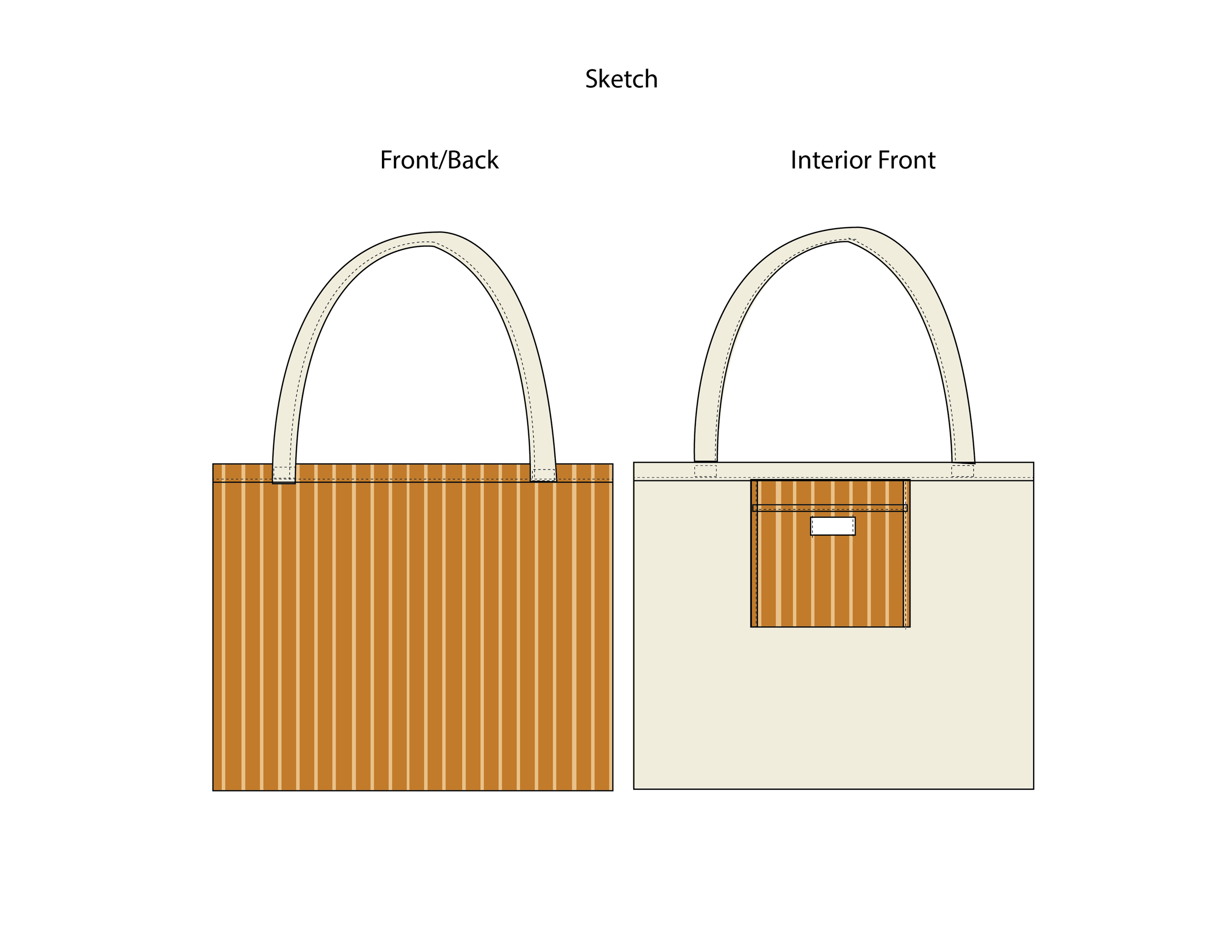
This is where it all starts, and it does not need to be intimidating. A design spec page is simply a visual and written description of your product, dimensions, construction details, hardware, finishing, color, and anything else that defines what it is.
We have worked from a rough sketch on the back of a napkin. We have worked from a mood board and a voice note. The spec page is where we take whatever you have and turn it into something a maker can actually work from. If you are working with a designer, this is where they earn their keep. If you are working on your own, put down as many details as you can and don't worry about what you don't know yet, your vendor partner can help you fill in the gaps.
The goal is clarity. The more specific this page is, the less room there is for misinterpretation down the line.
THE BILL OF MATERIALS
The Bill of Materials, or BOM, is one of the most important pages in your tech pack, and one that a lot of vendors won't share with you unless you ask for it directly.
Ask for it.
The BOM is a complete list of every material that goes into your product. Every thread, every zipper, every label, every piece of hardware along with the cost of each. It is where you gain real transparency into your supply chain. You can see exactly what you are paying for, where there is room to refine your costing, and confirm the people making your product are being paid fairly for their labor and materials.
At Casa Flor Designs, we are always transparent with our clients about the cost of their products. We share our BOM openly because we believe that transparency is the foundation of a good partnership. If a vendor is reluctant to share theirs, that is worth paying attention to.
THE MEASUREMENT CHART
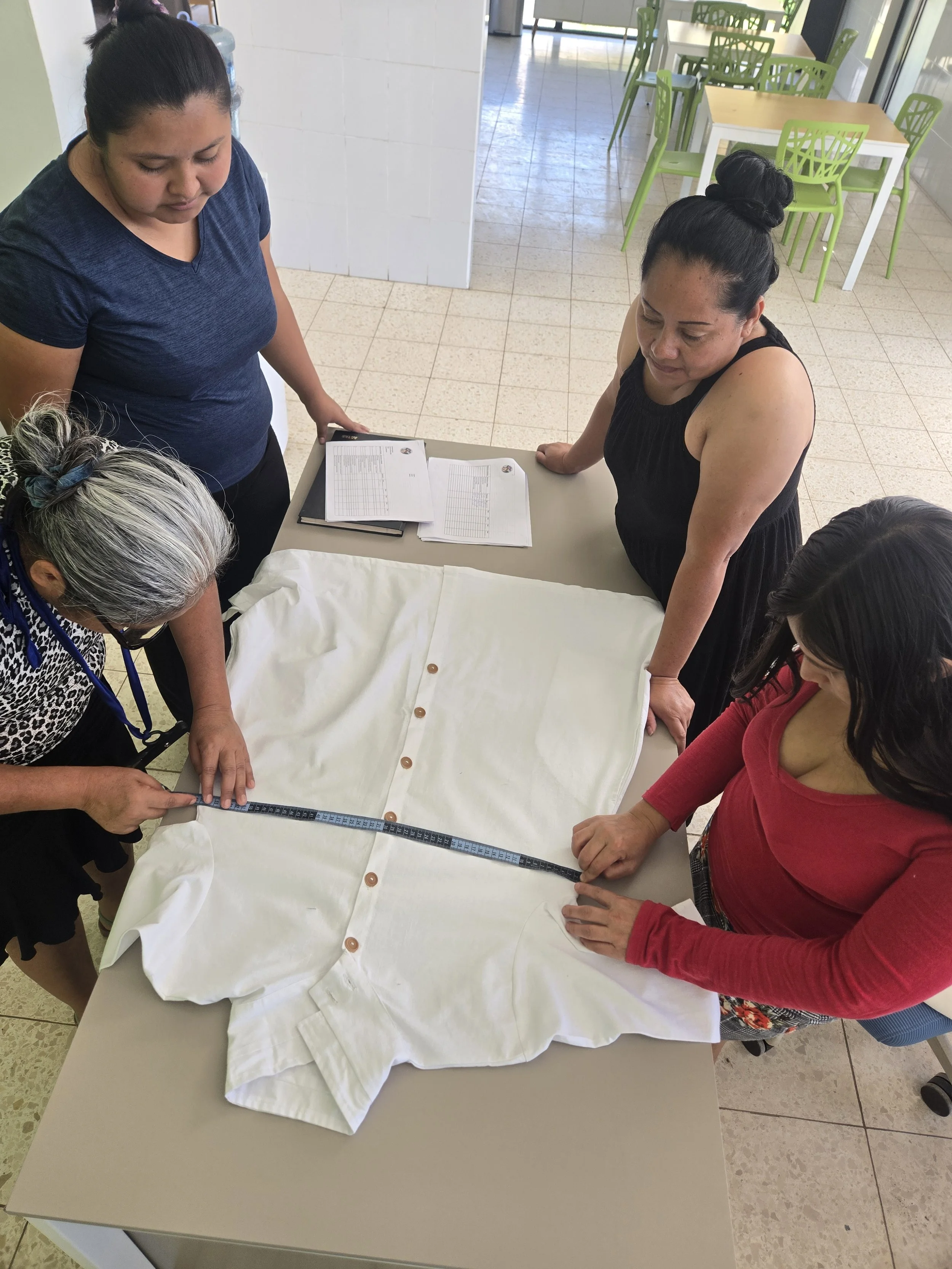
A measurement chart is exactly what it sounds like, a complete guide to the dimensions of your finished product. Every measurement that matters to the function, fit, or quality of the piece should be listed here.
This page becomes your quality control guide. When your first sample arrives, you measure it against this chart. When your production run is complete, you measure it again. It is the document that tells you objectively whether what you received matches what you asked for.
For handmade and artisan produced goods, a small degree of variation is natural and expected, it is part of what makes them handmade. But the measurement chart gives you and your maker a shared reference point, and it sets clear expectations before production begins rather than after.
THE FABRIC SPEC PAGE
For anyone developing a product that involves custom textile design, which is exactly what we do at Casa Flor Designs, a fabric spec page is an essential addition to your tech pack.
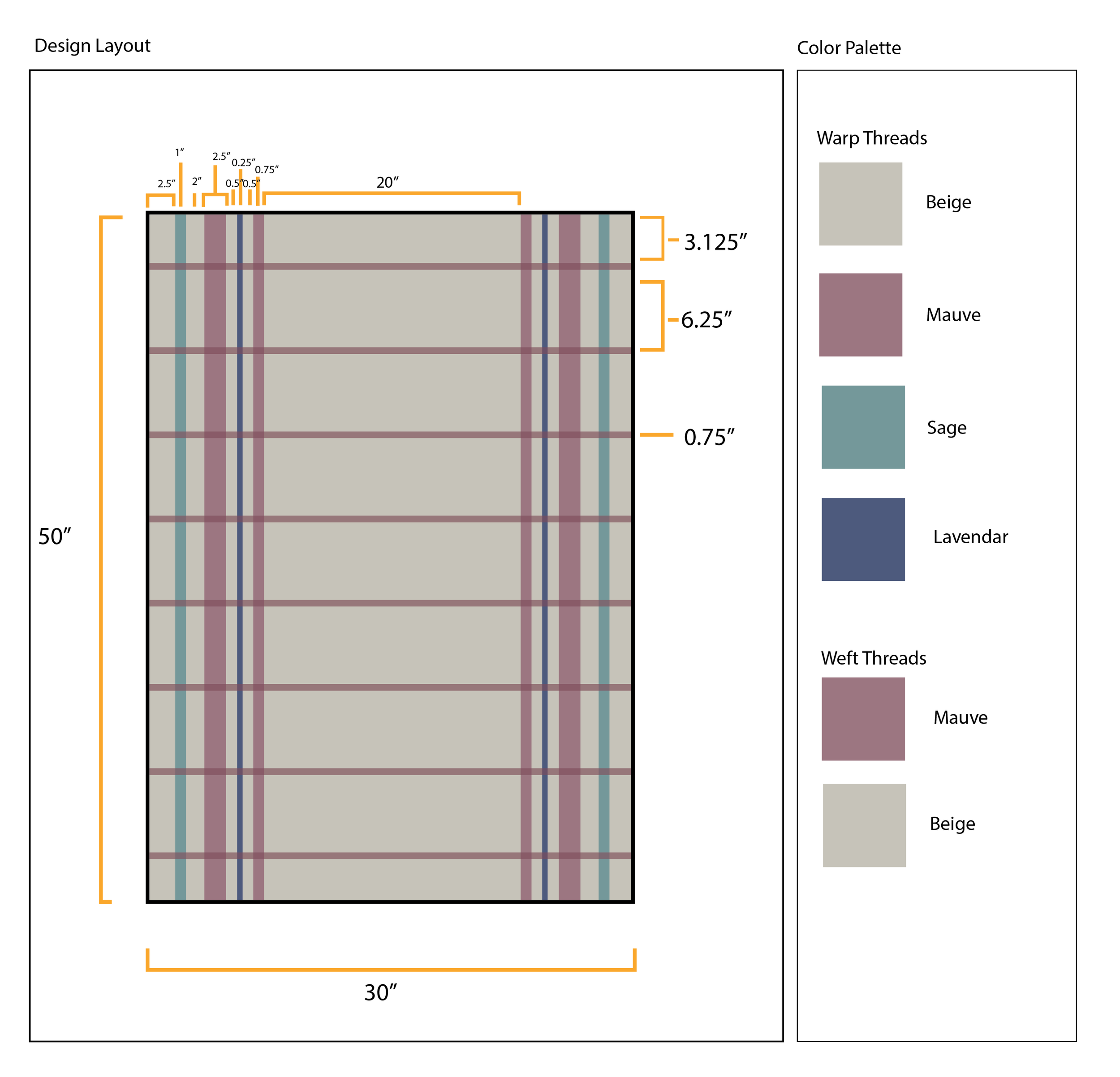
This page goes beyond the finished product and into the textile itself. It specifies the fiber content, the weave structure, the thread colors, the picks per inch — the number of horizontal threads woven per inch of fabric, which directly affects the weight, durability, and hand feel of the finished textile. It documents the width of the fabric, the repeat of any pattern or motif, and any finishing treatments applied after weaving.
This page ensures that what you envisioned in the design stage is what arrives in production. The more specific it is, the less room there is for interpretation.
A NOTE BEFORE YOU START
Don't feel overwhelmed if you can't fill out the entire tech pack on your own. That is what your vendor partners are there for. Fill out as much as you can, the more you bring to the first conversation, the more productive that conversation will be and make sure everything is buttoned up and agreed upon before you place your order. Changes made after production begins are costly, time consuming, and stressful for everyone involved, including the makers.
A good vendor partner will help you get there. That is a big part of what we do.
We will send you a free tech pack template
Just fill out this form and it will trigger an automatic download of our Tech Pack Template in an Excel format. If you have any issues downloading the file, don’t hesitate to reach out.